Every Indian city has Udupi restaurants. But eating Udupi cuisine in Udupi itself is an entirely different experience. The town that invented the Masala Dosa has a food culture that runs centuries deep, rooted in temple kitchens and Mangalorean coast traditions. Here's your guide to eating your way through this remarkable food destination.
The Masala Dosa — Where It All Began
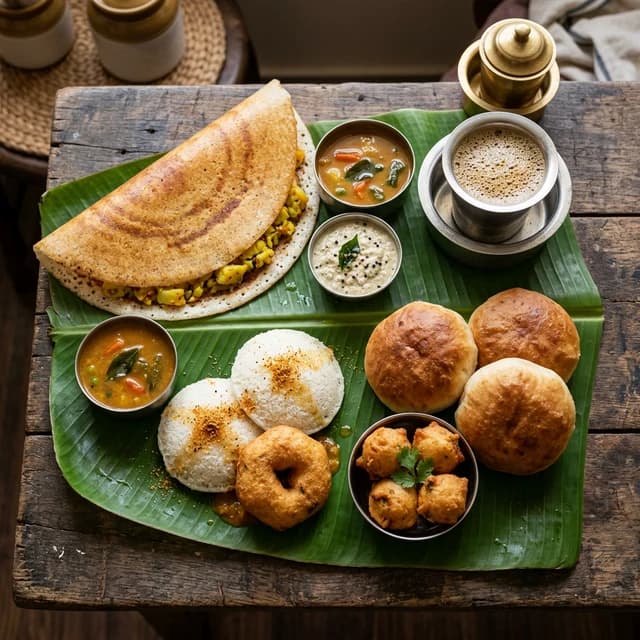
The Masala Dosa was born in the kitchens of Udupi's Krishna Matha in the early 20th century. The original version here is different from what you find in Bangalore or Mumbai — it's lighter, crispier, and served with a distinctive coconut chutney that's less spicy and more fragrant. The sambar is thinner and more flavorful, made with fresh tamarind and a unique spice blend. Try it at Mitra Samaj, one of the oldest restaurants near the temple, for the most authentic experience.
Mangalore Buns — The Breakfast Hero
These sweet, fluffy, banana-infused fried bread rolls are a coastal Karnataka staple. Served with coconut chutney or a spicy curry, Mangalore Buns are the perfect breakfast. They're subtly sweet from mashed ripe bananas in the dough, and when fresh from the oil, they're pillowy soft inside with a slight crunch outside. Many homestays in the region, including TAM-BoSa, serve homemade Mangalore Buns at breakfast.
Neer Dosa — The Light Alternative
Neer Dosa (literally 'water dosa') is a paper-thin rice crepe that's a staple in coastal Mangalorean homes. Made with just rice batter and water, it's delicate, slightly translucent, and pairs beautifully with spicy chicken or fish curry. For vegetarians, it's traditionally served with coconut milk curry or sweetened coconut filling.
Goli Baje (Mangalore Bajji)
These crispy, fluffy, slightly tangy fritters are Mangalore's answer to the samosa. Made from a fermented batter of maida, yogurt, and spices, they're deep-fried until golden and served with coconut chutney. Available at almost every snack shop and beach stall. Best eaten hot, ideally while watching the sunset.
Seafood — The Coast's Gift
While Udupi cuisine is traditionally vegetarian (temple cuisine), the broader coastal region is a seafood paradise. Fresh fish curry rice is the default meal along the coast. Look for Bangude (mackerel) fry, Anjal (seer fish) curry, prawn ghee roast, and crab sukka. The fish markets near the beaches get early morning catches daily. Many local restaurants serve thali-style meals with a fresh catch of the day.
Filter Coffee — The Ritual
South Indian filter coffee in Udupi is not just a drink — it's a ritual. Made with a traditional brass filter, dark-roasted coffee powder, and fresh boiled milk, it's served in a steel tumbler and davara (saucer). The pour between tumbler and davara — from height, to cool and froth the coffee — is an art form. Every meal in Udupi ends with filter coffee, and refusing would almost be rude.
Temple Prasadam — Free Meals
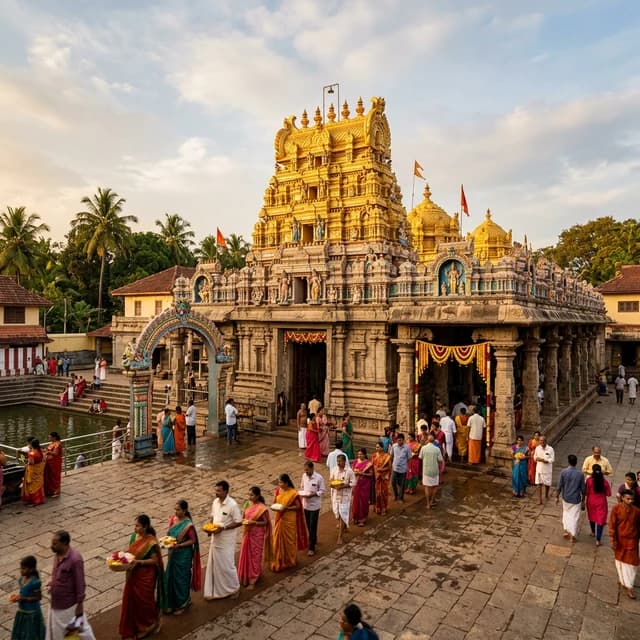
The mathas (monasteries) around Sri Krishna Temple serve free meals to all visitors, regardless of religion or background. This tradition has been running uninterrupted for over 800 years. The meals are simple but deeply satisfying — rice, sambar, rasam, vegetable, and payasam. Eating here isn't just about food; it's participating in a living tradition that feeds thousands daily.
Where to Eat
Top recommendations:
- Mitra Samaj — The heritage restaurant near Krishna Temple, famous for Masala Dosa
- Woodlands — Classic Udupi meals on banana leaves
- Diana Restaurant — Excellent seafood and coastal non-vegetarian dishes
- Hotel Kediyoor — Rooftop dining with a view of the temple tank
- Beach stalls at Malpe — Fresh Goli Baje, grilled corn, and tender coconut
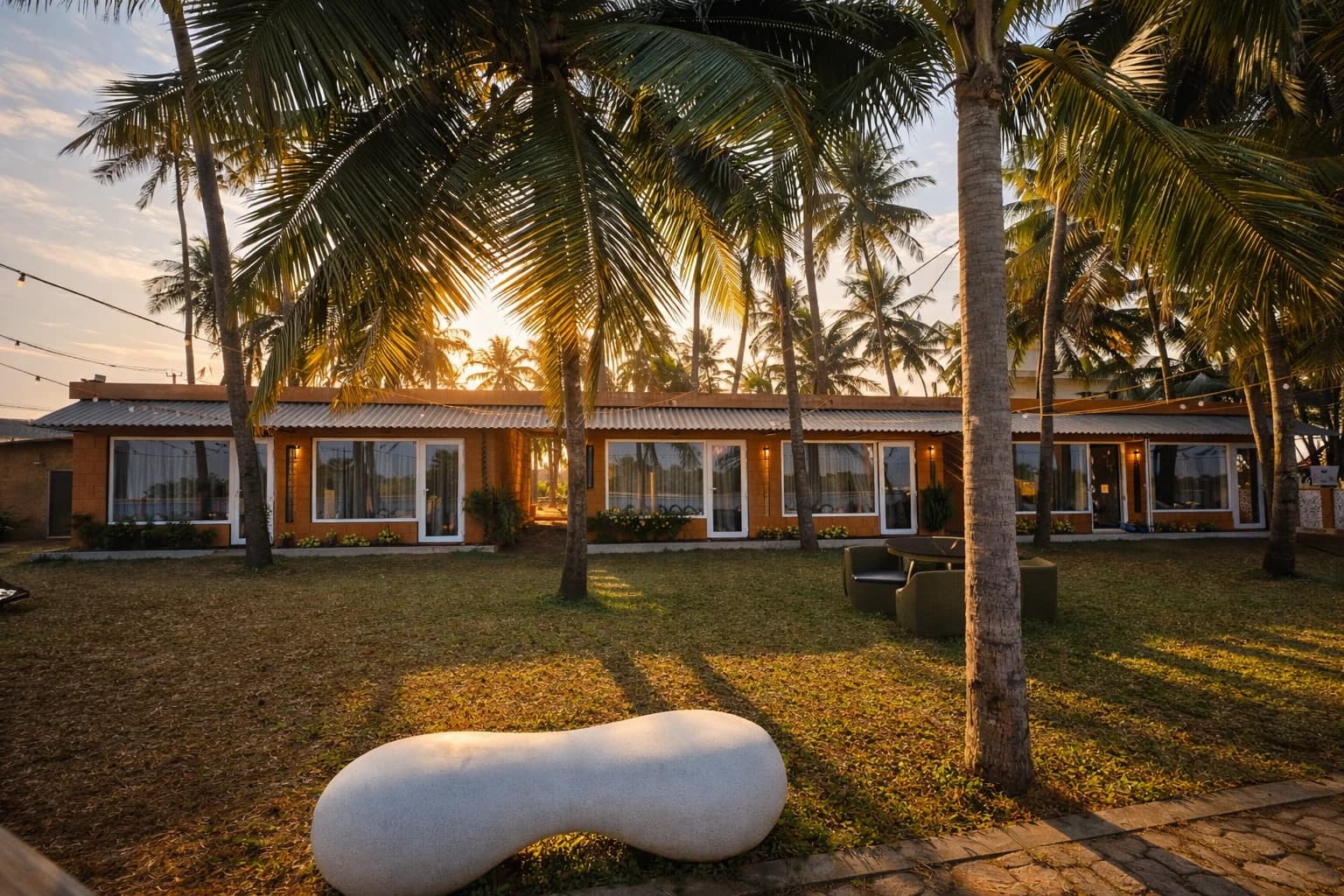
Staying at TAM-BoSa Beach Retreat means starting your day with homemade Mangalore Buns and filter coffee by the river — before heading out to explore Udupi's incredible food scene.